Internal Assessment Framework:
1. Critical Essay
Objective
The nternal assessment framework aims to:
1. Evaluate students' understanding of key concepts beyond traditional exams.
2. Encourage analytical thinking, research skills, and practical applications of political science.
3. Provide continuous feedback and identify areas of improvement.
Assessment Components:
Internal assessments typically constitute 20-30% of the total course evaluation and include:
1. Assignments: Research-based tasks or critical essays.
2. Class Tests: Periodic evaluations to assess understanding of course material.
3. Presentations: Oral or visual presentations to enhance communication and analytical skills.
4. Attendance and Participation: Active involvement in class discussions, debates, and extracurricular activities.T
ypes of Assignments:
Topics: Current political issues, analysis of political theories, or case studies on governance.
Word Limit: 1,000–1,500 words.
Example Topics:
"The Role of Federalism in Indian Democracy."
"Impact of Globalization on Developing Nations."
"The Relevance of Marxism in Contemporary Politics."
2. Research Papers/Reports: Students conduct independent research and submit a report.
Example of Topics:
-
Electoral behavior in India.
-
Comparative study of constitutions (e.g., India vs. the USA).
-
Role of NGOs in policy implementation.
3. Case Studies: Analyze real-life political events or policies.
Example: The success of e-Governance initiatives in India.
4. Book Reviews: Critique seminal works in political science.
5. Fieldwork Assignments: Tasks like surveys, interviews with local government officials, or participation in mock parliaments.
Guidelines for Assignments
Submission Deadlines: To be provided at the beginning of each semester.
Formatting: Typed, double-spaced, with proper citations (APA/MLA).
Assessment Criteria: Originality, depth of analysis, clarity of argument, and adherence to deadlines.
Class Tests
1. Frequency: Conducted twice a semester.
2. Structure: Objective Section: MCQs, true/false questions, or fill-in-the-blanks.
Subjective Section: Short answer and essay-type questions.
3. Purpose: To test foundational knowledge and understanding of theoretical concepts.
Presentations
1. Mode: Individual or group-based.
2. Format:
Duration: 10–15 minutes per presentation.
Tools: PPT, charts, or verbal presentation.
Example Topics: i) Role of the United Nations in peacekeeping. ii) Electoral reforms in India.
3. Evaluation: Content quality, communication skills, use of visual aids, and overall delivery.
Attendance and Participation
1. Weightage: Marks allocated for attendance (minimum 75% required) and active participation in debates, discussions, and departmental events.
2. Activities Included: Mock Parliaments, a)Seminars and workshops.b) Interdisciplinary debates on political and social issues. c) Evaluation Criteria for Internal Assessment
Outcomes of Internal Assessment
1. Improves student engagement and retention of concepts.
2. Enhances research and analytical abilities.
3. Encourages interdisciplinary learning and application of knowledge.
4. Prepares students for competitive exams and professional roles in public administration, policy analysis, and academia.
| Departmental Time Table of ODD Sem (Session 2024-2025): | Click Here to download the Class Routine |
| Departmental Time Table of EVEN Sem (Session 2024-2025): |
Previous year questions : Click here for Old Questions Paper
I) 2016>> Political Science questions for Hons & General
|
Question Bank for the students: A) Honours >> B) Program Course>> C) Generic Elective>> I) Gandhi & Contemporary World Ii) India & UNO D) Internal Assessment>> 2017-18 GE01 Internal/KOT/2018 E) Test Exam (Yearly): Click here to view the questions>> Test/KM/Gen-IV/2018
|
|
Sl.No |
Name |
Designation |
Qualification |
Details |
Photo |
|---|---|---|---|---|---|
|
1. |
Mr. Biplab Majhi |
Assistant Professor (Stage-II) |
M.A, B.ed, M.Phil, Ph.D (Pursuing) |
https://sites.google.com/view/mrbiplabmajhi/home | 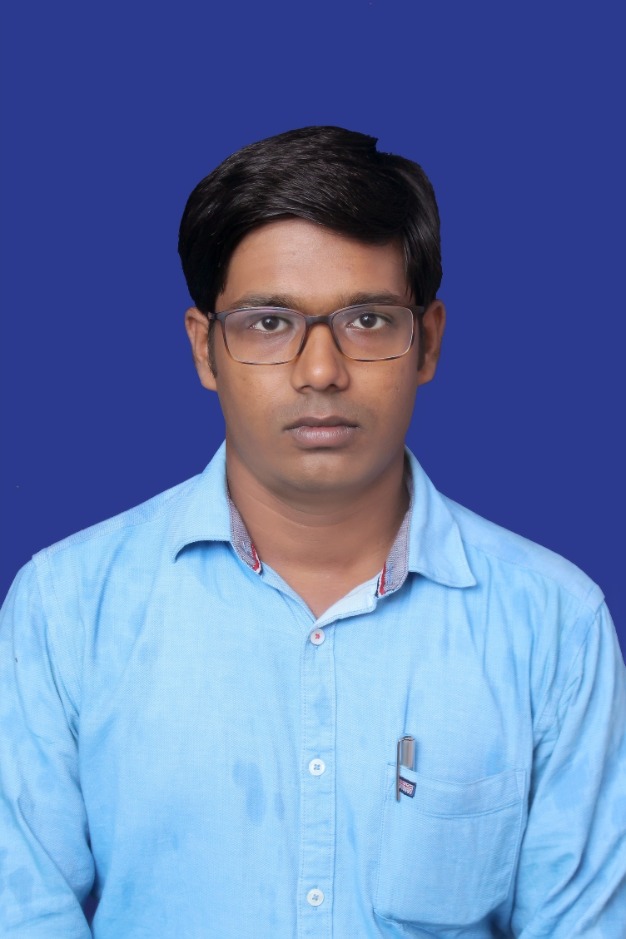 |
|
2. |
Pratima Mandal |
SACT-II |
M.A. |
View Details/CV |
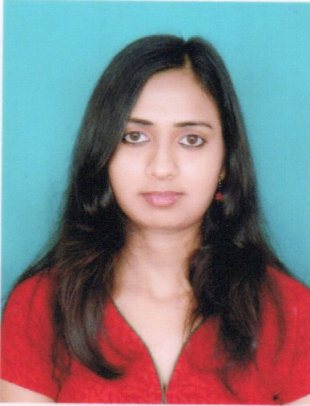 |
|
3. |
Nilkanta Moni |
SACT-II |
M.A. |
View Details/CV |
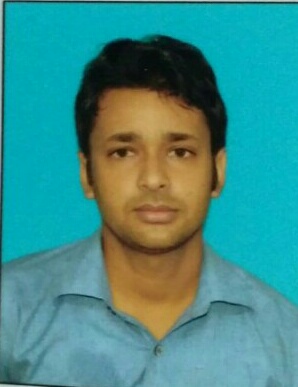 |
|
4. |
Arup Nandi |
SACT-II |
M.A. |
View Details/CV |
 |